Artificial Intelligence and Logic Programming
Reference documents in Artificial Intelligence and Logic Programming.
Documents in Artificial Intelligence and Logic Programming
Page 3 of 4-
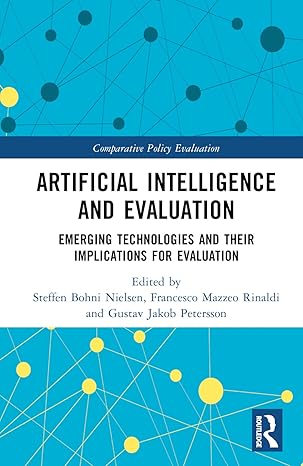
The book is a groundbreaking exploration of how the landscape of program evaluation will be redefined by artificial intelligence and other emerging digital technologies.
-
The book explores the potential of artificial intelligence to transform everyday life while highlighting both the benefits and risks. The book encourages readers to embrace AI responsibly, focusing on its impact on healthcare, creativity, and society. It also addresses challenges such as deepfakes and automation. Overall, it's a thoughtful call to shape AI's future with wisdom.
-
This open access book provides a detailed review of the latest methods and applications of artificial intelligence (AI) and machine learning (ML) in medicine - a comprehensive guide to how AI and ML techniques can best be applied in health care.
-
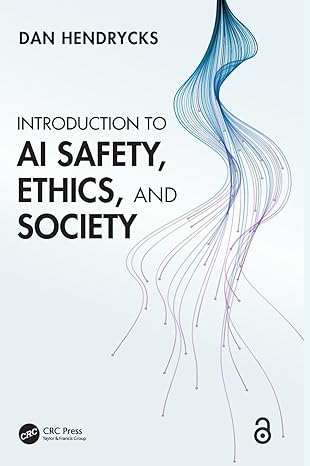
This book explores a range of ways in which societies could fail to harness AI safely in coming years, such as malicious use, accidental failures, erosion of safety standards due to competition between AI developers or nation-states, and potential loss of control over autonomous systems.
-
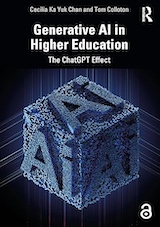
This is one of the first to provide a comprehensive examination of the use and impact of ChatGPT and Generative AI (GenAI) in higher education. The authors introduce the Six Assessment Redesign Pivotal Strategies (SARPS) and an AI Assessment Integration Framework, encouraging a learner-centric assessment model.
-
In this book, the authors argue that the framework of machine learning is fundamentally at odds with any reasonable notion of intelligence and that essential insights from previous decades of AI research are being forgotten.
-
This book is a practical guide for business leaders who are passionate about leveraging machine intelligence to enhance the productivity of their companies and the quality of life in their communities.
-
This open access book explores a novel approach to the intersection of artificial intelligence and the humanities, proposing that instead of merely writing about AI, scholars should think with AI.
-
This open access book provides a state-of-the-art overview of current machine learning research and its exploitation in various application areas. It has become apparent that the deep integration of artificial intelligence (AI) methods in products and services is essential for companies to stay competitive.
-
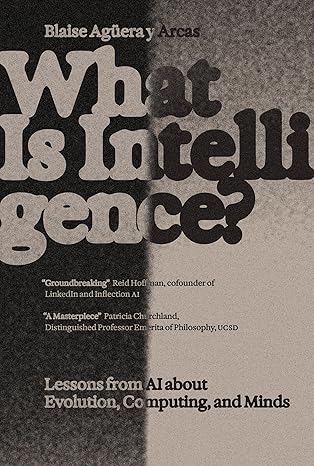
What intelligence really is, and how AI’s emergence is a natural consequence of evolution. It has come as a shock to some AI researchers that a large neural net that predicts next words seems to produce a system with general intelligence.
-
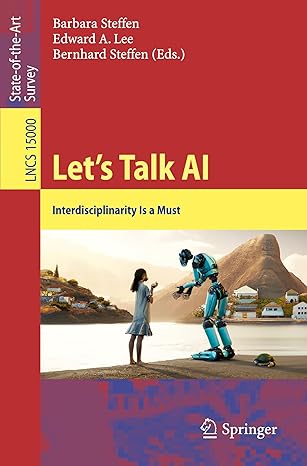
This unique open access volume represents an interdisciplinary dialog with top-class researchers and practitioners on the Artificial Intelligence revolution. The contributions derive from structured interviews with community leaders who examine recent developments in AI and offer predictions about its impact on science, technology, business, and society.
-
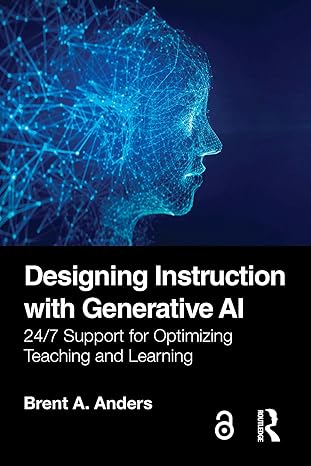
This open access book offers a novel set of tools and strategies for leveraging Generative AI (GenAI) to create engaging and personalized learning experiences, equips with step-by-step directions on how freely accessible artificial intelligence software.
-
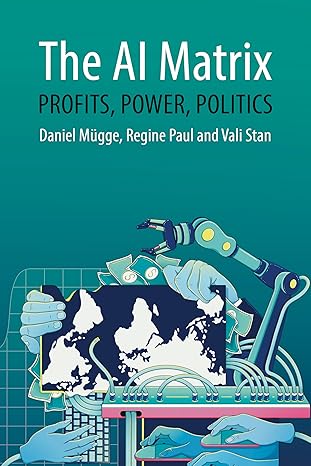
This book explores AI systems as products of unequal and conflictual power relations. It exposes grand AI narratives as rhetorical ammunition in political fights over tech futures and socio-economic distribution.
-
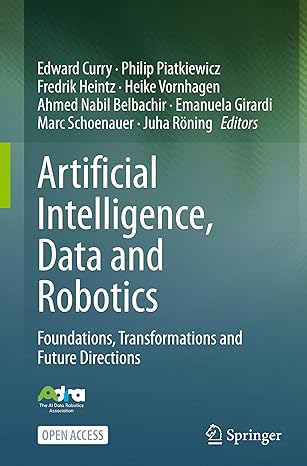
This open access book explores the rapidly evolving landscape of artificial intelligence, data and robotics (ADR), highlighting their foundational principles, transformative applications and future directions.
-
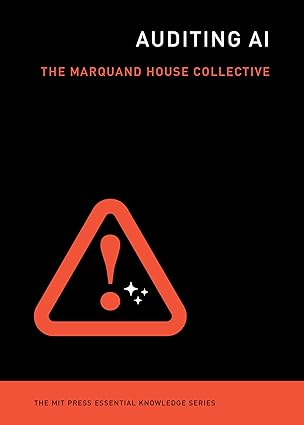
This book explores why and how to audit artificial intelligence systems. It offers a simple roadmap for using AI audits to make product and policy changes that benefit companies and the public alike.