LISP and Common LISP
Reference documents in LISP and Common LISP.
Documents in LISP and Common LISP
Page 1 of 1-
This is a collaborative project that aims to provide for Common Lisp something similar to the Perl Cookbook published by O'Reilly.
-
This text has been written to provide a quick introduction to the basic elements of Common Lisp for both experienced and novice programmers. It is not intended to be a comprehensive account of the language for, in our experience, it takes only a little introduction before most Lisp programmers are able to turn to Guy L. Steele, Jr.'s, Common LISP - The Language, 2nd Edition
-
Performance and Evaluation of Lisp Systems is the first book to present descriptions on the Lisp implementation techniques actually in use and can serve as a handbook to the implementation details of all of the various current Lisp expressions.
-
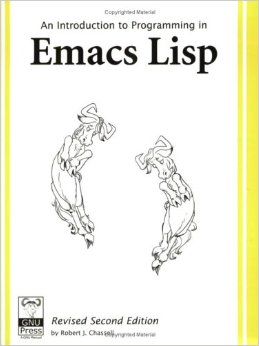
Most of the GNU Emacs text editor is written in the programming language called Emacs Lisp. You can write new code in Emacs Lisp and install it as an extension to the editor. However, Emacs Lisp is more than a mere "extension language"; it is a full computer programming language in its own right. You can use it as you would any other programming language.
-
This tutorial is an elementary introduction to teach non-programmers how to customize their work environment; it can also be used as an introduction to programming basics. It includes numerous exercises and sample programs; the author also walks you through the actual source code of several GNU Emacs commands. A handy reference appendix is included.
-
This book provides an excellent introduction to Common Lisp. In addition to chapters covering the basic language concepts, there are sections discussing the Common Lisp object system (CLOS) and speed considerations in Lisp. Three fair-sized examples of nontrivial Lisp projects are also included. The book's clear and engaging format explains complicated constructs simply. This format makes ANSI Common Lisp accessible to a general audience--even those who have never programmed before. The book also provides an excellent perspective on the value of using Lisp.
-
The text uses a tutorial style that focuses on learning by interaction and experimentation. The text also thoroughly covers programming in Pure LISP before programming in Imperative LISP so that students get used to recursive programming.
-
This book is written with the professional programmer in mind. Using a hands on approach it introduces the ANSI Common Lisp standard. Practical examples of working code provide an in depth view of Common Lisp programming paradigms. David B. Lamkins explains why this programming language is by far the most powerful industrial strength tool available for advanced software development.
-
This book is a collection of short interviews with 14 prominent individuals from different parts of the world, from Australia to Canada, and of different occupations, from low-level programmers to physicists and musicians, asking them a more-or-less similar set of questions on the following topics:
-
This is the Lisp programmers' bible. If you need to know the official specification, every function defined in Common Lisp can be found in here somewhere. Anyone vaguely serious about programming in Lisp for extended periods of time should keep a copy of this book for reference.
-
Written by a Lisp expert, this is the most comprehensive tutorial on the advanced features of Lisp for experienced programmers. It shows how to program in the bottom-up style that is ideal for Lisp programming, and includes a unique, practical collection of Lisp programming techniques that shows how to take advantage of the language's design for efficient programming in a wide variety of applications.
-
it has a fresh view on the language and the examples in the later chapters are usable in your day-to-day work as a programmer. If you're interested in Lisp as it relates to Python or Perl, and want to learn through doing rather than watching, Practical Common Lisp is an excellent entry point.
-
You'll find newLISP easy to learn and powerful, combining some of the power and elegance of classic LISP with the facilities of a modern scripting language, such as regular expressions, network functions, Unicode support, multitasking, and many others. This book is a straightforward and simple description of the basics of the language.